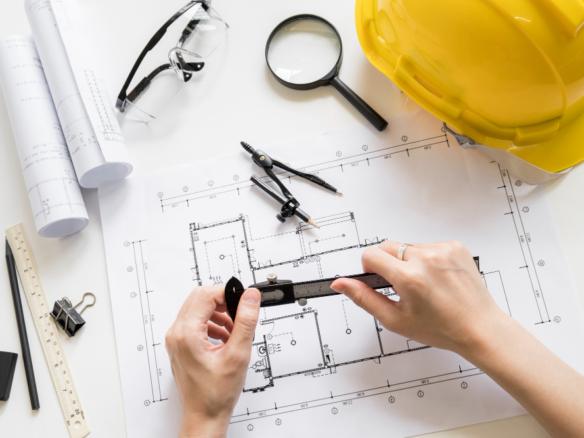
Real estate fraud is a crime based on deception during real estate transactions. This type of fraud can be carried out by individuals, organized groups, or even unethical real estate agents. Essentially, it involves deceiving someone interested in buying, selling, or renting a property, using lies and persuasive tactics to obtain money from the victims.
Below, we offer some practical tips to protect yourself from these scams when buying a property.
Tips to Stay Away from Scams
1. Previous Research
Before making any transaction, it's essential to thoroughly research the property. Make sure you know its history, as well as that of the current and previous owners, and review the property documents.
2. Request Key Documents
It is essential to receive copies of the documents necessary for the transfer of ownership. Some of the most important are:
- Certificate of TitleThis document certifies that the seller is the legal owner of the property.
- Cadastral Map of the LandIncludes measurements and geosatellite location of the plot. Verify that it is properly surveyed.
- Certification of Charge and Encumbrance: Indicates that the property is free of debts, such as mortgages or liens.
- Real Estate Property Tax Certification: It proves that the seller has paid all applicable taxes.
- Owner Identification: Make sure the seller presents valid identity documents.
3. Perform Due Diligence
Visit the relevant institutions, such as the Real Estate Jurisdiction and the Title Registry, to obtain detailed information about the documents and the legal status of the property.
4. Evidence of Secure Payments
Make payments through a financial institution, such as a bank, to ensure the security of the transaction and avoid fraud.
5. Property Inspection
It is crucial to personally inspect the property to confirm that it meets the specifications and has no hidden problems.
Techniques for Applying
- Verify the Authenticity of the DocumentsDon't just receive the documents; verify with the relevant institutions that they have not been altered.
- Request Certifications DirectlyThis will help you avoid manipulated documents.
- Check the Seller's Credit BureauMake sure to check their financial history.
- Direct Communication with the OwnerIf you are buying using a power of attorney, contact the owner via video call to confirm their identity.
- Personal Inspection or Through a Confidential PersonVisit the property yourself or ask someone you trust to do it for you.
- Avoid Cash PaymentMake payments to a bank account in the seller's name or issue a certified check.
- Don't Give In To The PressureComplete each process at your own pace, avoiding pressure from salespeople.
Remember, information is key to avoiding fraud. Take the time to research and protect your investment when buying a property.